
System 03
Self-Leveling Flooring
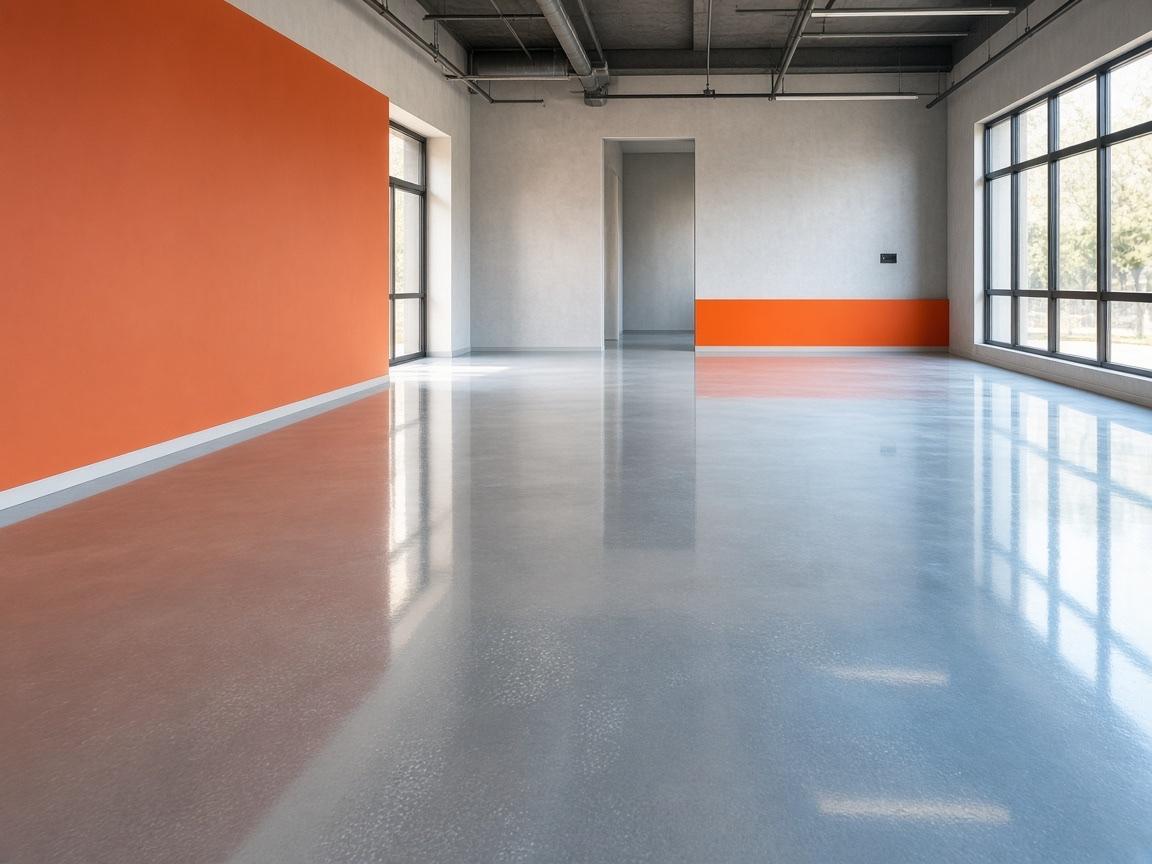
Self-leveling flooring creates a smooth, uniform surface over a suitably prepared substrate. It is selected when evenness, cleanability and a controlled visual finish are important to the space.
System profile
Specification starts with the operating environment.
Performance
What the system is designed to support.
- Uniform appearance
- Smooth cleanable surface
- Consistent finish across prepared areas
Applications
Typical environments.
- Showrooms
- Commercial interiors
- Service bays
- Commercial
- Electronics
- Pharmaceutical
Installation sequence
From substrate condition to final handover.
- 01Substrate survey
- 02Repair and mechanical preparation
- 03Primer and leveling application
- 04Finish review and handover
Considerations
What should be reviewed before specification?
- The substrate profile, moisture condition and repair needs must be assessed.
- The expected traffic should be confirmed before choosing the system build-up.
- Edges, thresholds and transitions need detailing during planning.
Maintenance
Performance continues after installation.
Use non-abrasive cleaning methods suited to the finish and address spills or local damage promptly.
Questions
Useful answers before the site assessment.
What is self-leveling flooring used for?
It is used where a smooth, consistent and cleanable floor finish is required in selected industrial, commercial or technical interiors.
Does the substrate still need preparation?
Yes. Self-leveling materials do not remove the need for a sound, clean and correctly prepared substrate.
Is it suitable for every warehouse?
Traffic, load and surface demands should be assessed first; a heavier-duty system may be more appropriate for some warehouses.
Next step